The power of non-verbal communication
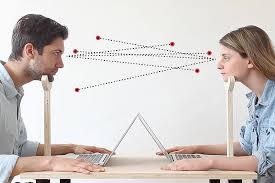
Our communication is much more than the words we use
Many have seen videos about fascination. This is the power of non-verbal communication in action.
In dr. Marco Paret school new technique has been and continue to be developed to improved ways to do hypnosis, hypnotherapy, coaching and other modern techniques of the mind unleashing the power of some keys of the non-verbal communication.
Mesmerism and Hypnosis can be truly understood only if we understand non-verbal communication.
What is non-verbal communication
Communication is much more than the meaning of words and the literal information of the messages conveyed. It’s important to know that It also includes implicit messages, whether intentional or not, which are expressed through non-verbal behaviors. The types of interpersonal communication that are not expressed verbally are called non-verbal communications. Non-verbal communication includes facial expressions, eye contact, the tone of the voice, gestures displayed through body language, posture, and even the physical distance between the communicators..
The benefits of knowing the non verbal
If a therapist knows the secrets of non-verbal communication, he can get results much faster. An example was our master Di Pisa, who solved problems of back pain in a few seconds and who developed a specific methodology. He was a keen observer and non verbal communication is behind his powerful results. But it’s important to note that non-verbal communication is useful in each area of life.
These non-verbal signals can give us many additional information and meanings over and above verbal communication, therefor understanding nonverbal signs and learning to use this knowledge effectively, can help us in a many area in our lives. Non-verbal communication can be very useful in personal matters and in business. Some of the advantages are: Reinforcement of what is said in words, understanding more about people emotional state, more effective communication, strengthening personal and professional relationships, conducting interest and trust when speaking to other people, being more convincing and influencing. It is a psychological fact that when we communicate, non-verbal meanings can be as important, or in some cases even more important, than what we say. Non-verbal communication can have a great impact on the listener and the proper understanding of the communication. It is also more related with the language of the unconscious which consist much more information wisdom and knowledge than the conscious use of language.
Learn the power of a whole new language
Non-verbal communication is as a whole new language that can be learned, and if the meaning of eye movements, and gestures are took into consideration, noticed and better known, the real feelings and intentions of a person would be much better understood.
“60% of all human communication is nonverbal body language; 30% is your tone, so that means 90% of what you’re saying is not coming out of your mouth.”
… How it is that non-verbal communication is so important, necessary and an efficient skill that we have to acquire to be better parents, employees, leaders, lecturers, businessmen and etc. Perhaps because this form of communication shares so much more than simply words being said. At the very first contact with someone , the way he speaks(slow, loud…), breath, eyes movements, how he sits, more on your left side or right side, words, language… Everything in this gives keys to understand person better and deeply, and to communicate with him in a more effective manner. A good communicator needs to notice the details in person’s behavior, the direction of eyes movement and his non-verbal channels of communication because the verbal ones are much more censured by the conscious mind. Knowledge of non-verbal communication and how to use it is the key used to create the first step of healing and change.
Référence: Le site web du Dr. Marco Paret